How to Choose the Right Binding
The ideal binding method depends on the purpose of your book, how often it will be used, and the impression you wish to convey. In our quiet workshop in Chuo-ku, Sapporo, we propose bespoke binding solutions tailored to the unique character of every volume. This guide covers the fundamentals of bookbinding and recommends specific formats based on your needs.
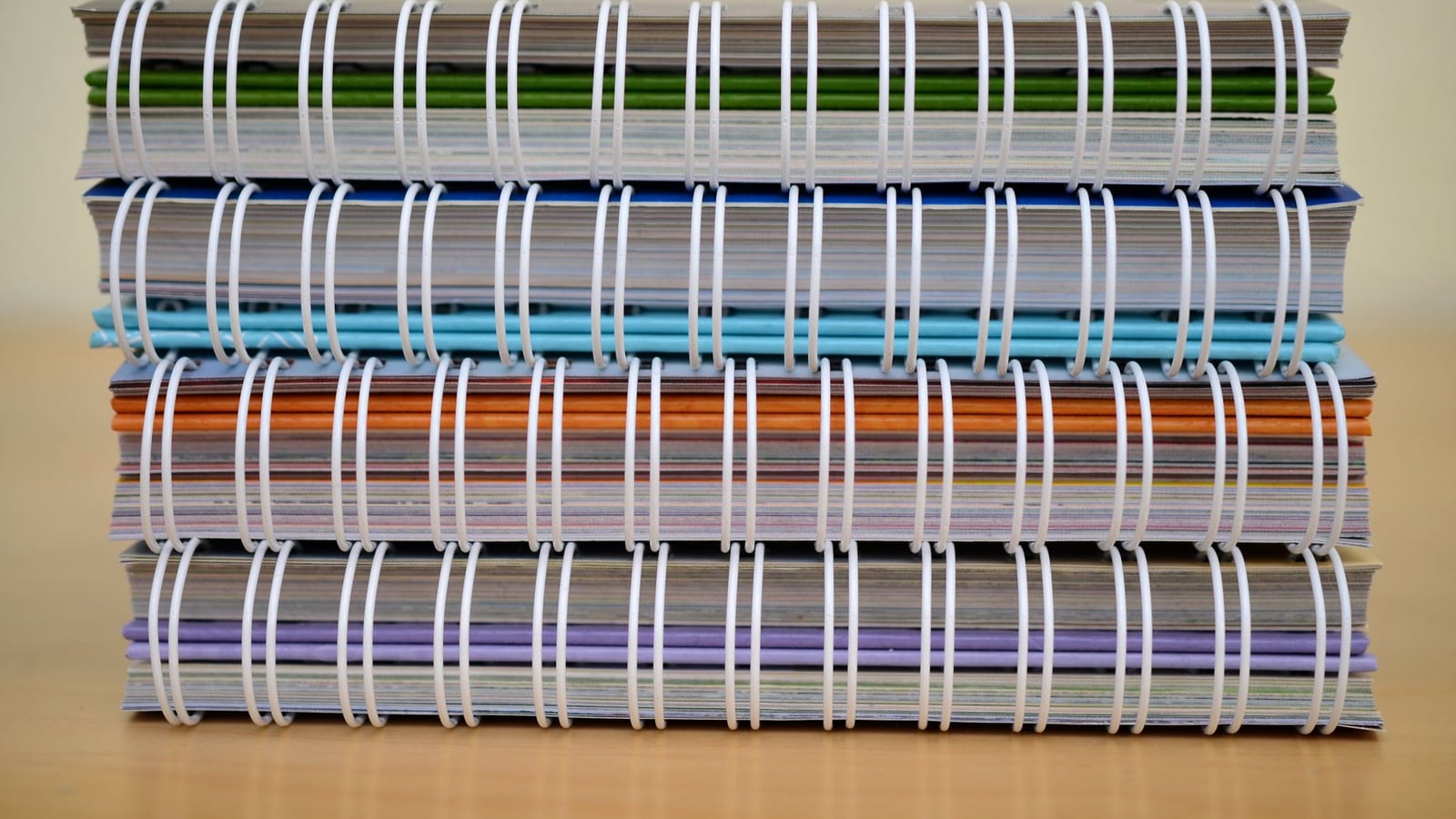
Bookbinding is more than just fastening pages together; it is the architectural design of how a book will be read, who will read it, and the environment in which it will exist. For instance, a family record intended for lifelong preservation requires entirely different durability and functionality than a daily journal used for sketching. Choosing an inappropriate binding method can lead to practical issues, such as pages falling out or the book refusing to lay flat, which hinders the writing or reading experience.
1. Selection Criteria by Purpose
Before choosing a method, it is essential to define what you require from the volume. We generally categorize these needs into three perspectives: preservation, functionality, and artistry.
- Focus on Preservation: For archives, family trees, or academic dissertations that must withstand decades of storage, a robust hardcover (case binding) is the most appropriate choice.
- Focus on Functionality: For sketchbooks or diaries that need to open 180 degrees flat for comfortable writing, Coptic binding or open-stitch techniques are highly recommended.
- Focus on Artistry: For art portfolios or gift editions, the visual impact—created through cover materials like premium leather or Washi paper and exposed stitching—becomes the priority.
2. Common Binding Methods and Their Characteristics
We detail the primary binding formats provided at our workshop, outlining the advantages and trade-offs of each.
| Binding Type | Key Characteristics | Recommended Use | Durability |
|---|---|---|---|
| Hardcover | Protected by thick boards, extremely robust | Theses, archival books, luxury editions | Very High |
| Softcover | Lightweight, easy to handle, modern feel | Magazines, manuals, pamphlets | Moderate |
| Japanese Binding | Traditional aesthetic with exposed thread | Poetry collections, traditional records | High |
| Open Stitch | Visible stitching, opens perfectly flat | Artist books, personal journals | Moderate |
3. The Role of Materials in Defining Impression
Once the structure is decided, the choice of material follows. Materials affect not only the aesthetic but also the lifespan of the book.
Premium leather develops a deep patina over time, molding to the hand of the owner. Conversely, binding using Washi (Japanese paper) can express a delicacy and softness reminiscent of the changing seasons in Sapporo, evoking a traditional Japanese sense of beauty. Cloth bindings offer a balance of strength and color variety, making them suitable for everything from academic works to modern professional portfolios.
When selecting materials, it is important to consider the balance between the cover and the paper's basis weight. Pairing heavy paper with a thin cover can lead to structural warping. Our artisans provide specific recommendations to ensure the tension and weight are perfectly aligned.
4. Local Context: Binding in Sapporo Chuo-ku
Located in the cultural hub of Chuo-ku, Sapporo, our workshop frequently consults with local libraries and private collectors. The climate in Hokkaido is characterized by significant fluctuations in humidity and dryness, which makes it essential to design bindings that account for the expansion and contraction of materials.
In extremely dry winter conditions, leather can harden, while high summer humidity can cause paper to ripple. We combine high-quality materials capable of withstanding the local environment with traditional techniques to create volumes that can be passed down through generations. Working in the quiet environment of Chuo-ku allows us to dedicate the necessary time to each detail.
5. Pre-Order Checklist
To ensure the final result meets your expectations, we recommend organizing the following points before your consultation:
- Usage: Who will read it, where, and how? (e.g., shelf storage vs. daily carry)
- Frequency: Will it be opened daily or primarily stored?
- Budget: To what extent do you prioritize specific materials or complex processes?
- Desired Impression: Heavy and formal, simple, traditional, or modern?
6. The Importance of Artisan Customization
Mass-produced binding cannot address individual needs. For example, if a book has pages of varying thickness or uses non-standard paper sizes, standard binding often results in floating pages or loose joints.
We perform millimeter-precise adjustments to the binding margin and account for the paper's basis weight to ensure structural stability. This guarantees not only visual beauty but also the reliability that pages will not detach even after several decades of use. By adjusting the tension of the binding thread, we achieve a balance between the ease of opening and the firmness of the closed volume.
We are here to help you give form to your important records. For specific format consultations, please view our Book & Magazine Binding services or contact us directly.
Summary: Finding Your Ideal Solution
There is no single "correct" binding method. However, by clarifying the purpose of the book and selecting the appropriate structure and materials, a book transforms from a mere collection of information into a valuable work of art.
If you are concerned about the condition of an existing antique volume, please refer to our Home Guide for Antique Book Storage. Knowing how to preserve a book correctly is as important as the process of creating a new one.
Consultation: We confirm the purpose and use of the book to propose the optimal format.
Material Selection: You choose materials from our samples of leather, Washi, and cloth.
Structural Design: We determine the stitching method based on paper thickness and size.
Production: Our skilled artisans carefully bind the volume by hand.