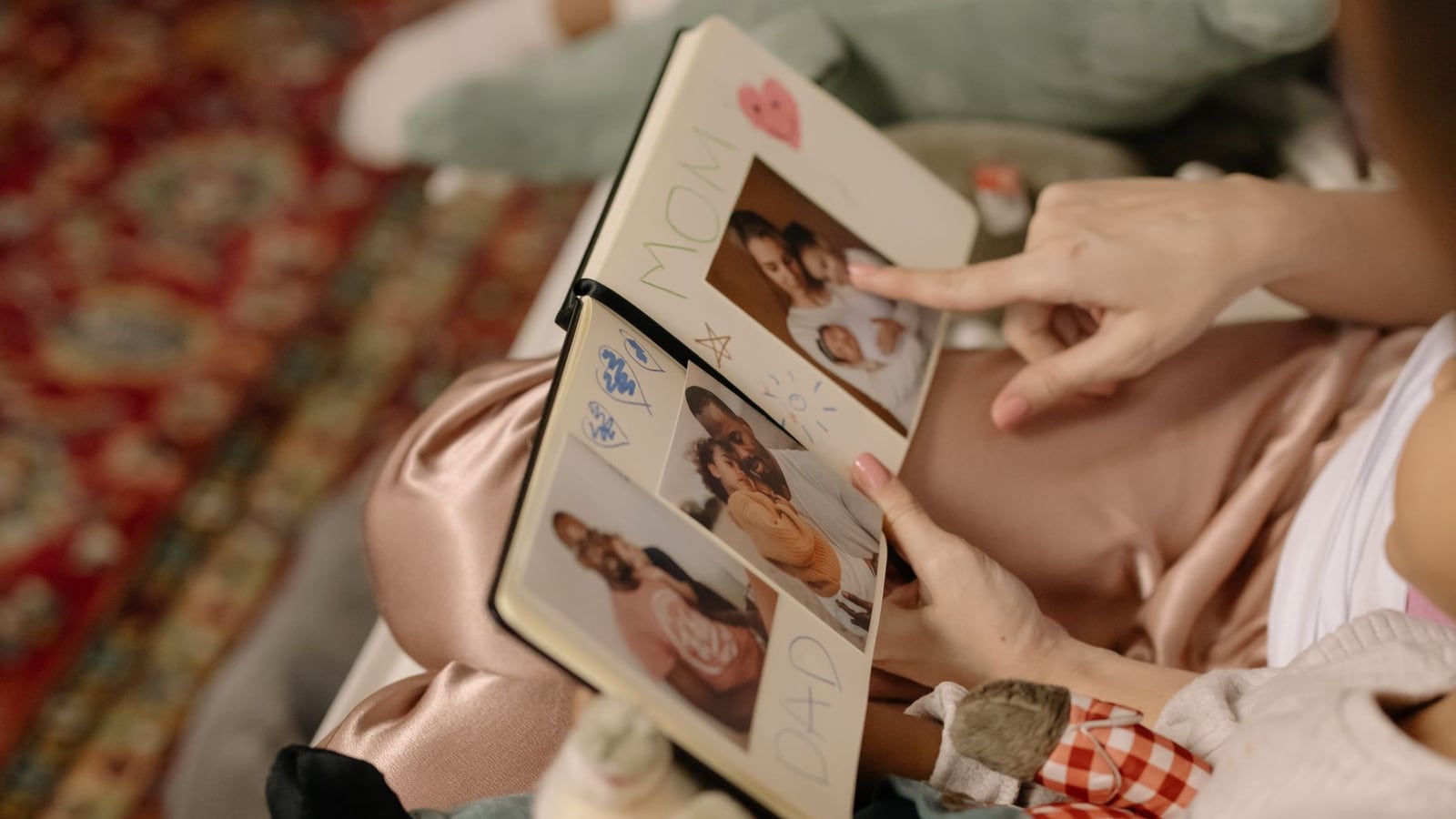
Life Archiving
Creating a Family Album: Preserving Memories Across Generations
In an era dominated by digital photography, there is an irreplaceable value in the physical form of a family album. The tactile warmth of a page and the ritual of turning it evoke memories in a way a screen cannot. This guide provides a detailed framework for constructing a lifelong family archive—not just a photo collection, but a curated narrative featuring family trees and personal anecdotes.
The secret to a lasting archive is not just in the taking of the photo, but in how it is preserved. With the right materials, your album can be opened a century from now.
1. Defining the Concept: Crafting Your Narrative
The first step is determining the "angle" of your album. Rather than attempting to include every single photograph, narrowing your theme creates a more compelling story for future generations. Consider a contrast such as "Grandparents in their Youth vs. Grandchildren Today," or a thematic axis like "The Evolution of the Family Table."
To add depth, we recommend incorporating more than just images. Copies of old diaries, handwritten notes, or travel tickets from decades ago stimulate memories beyond the visual. This multi-sensory approach is the primary advantage of a handmade album over a digital cloud folder. By documenting who visited a place and why, a simple record transforms into a legacy.
2. Material Selection: Balancing Preservation and Texture
The lifespan of your album depends entirely on the materials used. Acidic papers and cheap adhesives cause photographs to yellow and degrade over time. We strongly advocate for the use of acid-free (archival) paper to ensure the chemical stability of your memories.
For the cover, we typically suggest high-grade leather for durability, traditional Washi paper for a Japanese aesthetic, or linen fabrics for a timeless look. Leather is particularly popular for family albums as it develops a unique patina with frequent use. For specific specifications or custom orders, please visit our Handmade Notebooks & Journals service.
3. Organizing Photos and Layout Composition
While chronological order is the standard, you may also organize by "emotional resonance." Place significant life events—weddings, births, or graduations—prominently, and surround them with candid, everyday moments to create a rhythmic pace throughout the book.
When designing the layout, avoid crowding the pages. Sufficient white space allows the viewer room to reflect and reminisce. Furthermore, captions should go beyond dates; describe who was there, where it happened, and how they felt. This context is the most valuable gift for descendants who will view the album in the future. Handwritten notes carry a personal warmth that digital tags cannot replicate.
| Preparation Item | Checkpoint | Priority |
|---|---|---|
| Photo Selection | Avoid duplicates; prioritize narrative flow | High |
| Material Audit | Acid-free paper used for long-term preservation | High |
| Captions | Specific anecdotes and emotions recorded | Medium |
| White Space | Pages are balanced and not overcrowded | Medium |
4. Climate Considerations for Sapporo Residents
For those living in Hokkaido, particularly in the Chuo-ku area of Sapporo, extreme winter dryness and the humidity shifts of the rainy season are critical factors. Rapid changes in humidity can cause paper to expand and contract, leading to "cockling" or waving of the pages.
Store your albums away from direct sunlight in a well-ventilated area. Avoid packing bookshelves too tightly; leaving a small gap between volumes prevents condensation buildup. For more detailed storage techniques, please refer to our Home Guide for Antique Book Storage.
5. The Binding Process: Professional Finishing
Once you have curated your pages, finishing the work with a professional hardcover binding exponentially increases the physical protection of the contents. For family albums that are opened frequently, the strength of the spine and the "lay-flat" quality of the opening are paramount.
We employ traditional hand-sewing techniques to ensure every volume is robust. This minimizes the risk of pages detaching and creates a structure capable of surviving generations. For details on binding styles and budget options, please see How to Choose the Right Binding.
6. The Value of the Collaborative Process
The true value of a family album often lies not in the finished object, but in the process of creation. Reviewing old photos while listening to the stories of parents or grandparents is a rare opportunity to deepen family bonds and record oral histories.
We encourage the whole family to participate. When children learn about their roots and elders organize their memories, the collaborative effort breathes an invisible life into the pages. We are honored to help you give physical form to these family legacies.
Album Creation Workflow
Material Collection: Gather photos, notes, and ephemera to build your story.
Layout Design: Arrange items on acid-free paper and write detailed captions.
Binding Consultation: Select cover materials such as leather or Washi paper.
Artisan Binding: Our masters bind the volume for maximum durability and beauty.
Do not let your precious memories remain as mere digital files. Transform them into a tangible heritage that can be touched and passed down. From material selection to the final stitch, Kilhigshift provides full professional support.
For consultations or a detailed quote, please contact us via our Contact Form.